
New Executive Order Targets Importer Responsibilities, Obligations and CBP Enforcement of Same

|
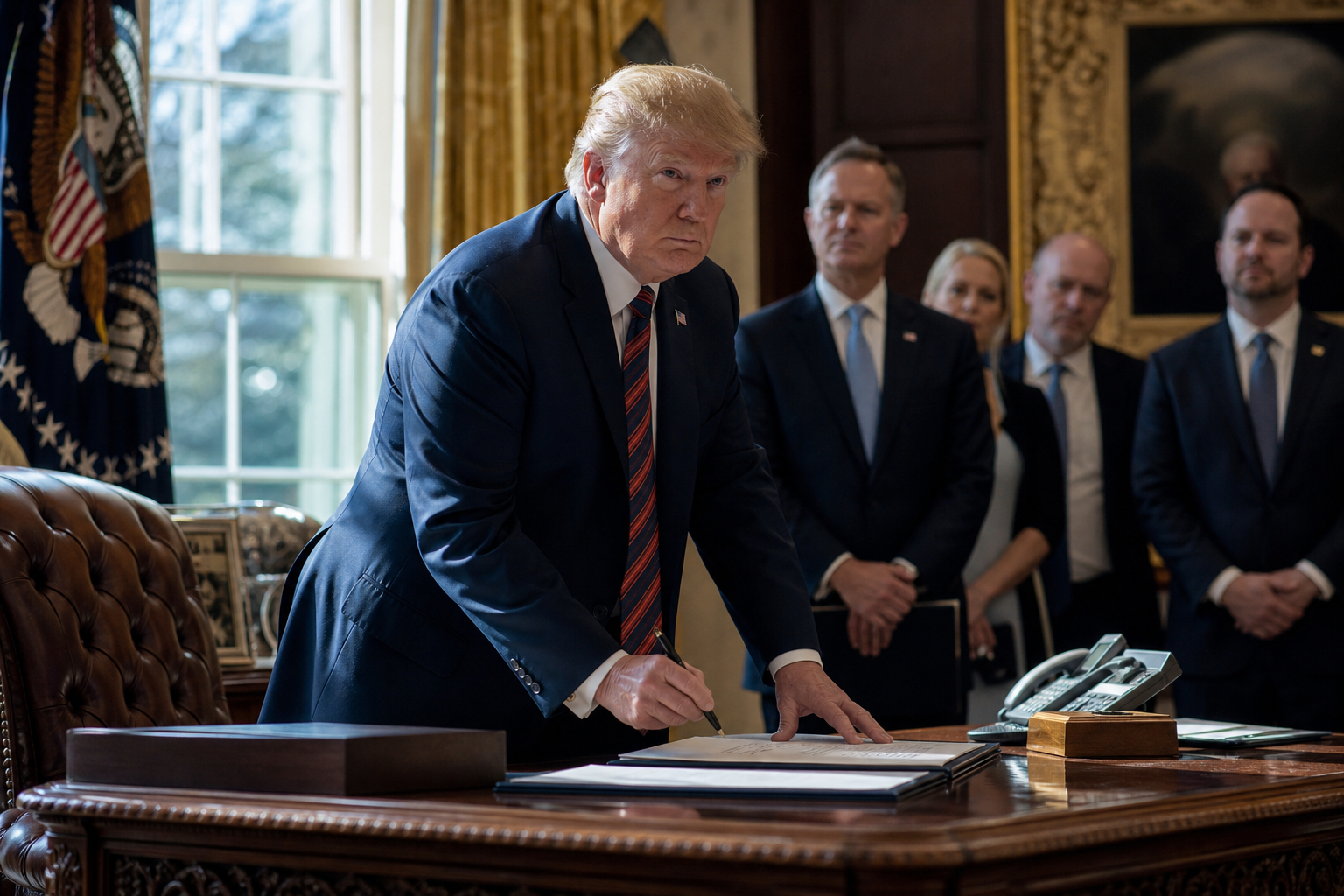
President Trump Signs Executive Order to Strengthen CBP Enforcement and Importer Responsibilities Earlier today, June 3rd, President Trump signed an Executive Order aimed at fortifying the enforcement capabilities of Customs and Border Protection (CBP). This directive specifically targets the evasion of customs duties and places a renewed emphasis on the responsibilities of the importer of record (IOR).
The Secretary of Homeland Security is directed by the Executive Order to modify importer eligibility policies, guidance, and regulations within 180 days of the order's issuance. To ensure alignment with the directive, these updates will incorporate the following requirements, among others:
Further, according to the Executive Order, foreign IORs will be prohibited from filing informal entries, which the administration states ensures all parties operate on an "equal footing." This measure is deemed essential for treating IORs equitably according to their specific situations, while simultaneously safeguarding U.S. revenue, domestic industries, and American consumers, and bolstering national security and international relations.
Additionally, the directive outlines specific stipulations for foreign IORs:
The order further specified that IORs failing to maintain "good standing" with CBP will be prohibited from importing into the United States or engaging in any activities directly associated with the importation of merchandise, such as appointing a customs broker to represent them as the IOR.
The Executive Order emphasizes that comprehensive customs reform is essential and overdue to address systemic inefficiencies and noncompliance, such as undervaluation and duty evasion, which threaten national security and the economy. To resolve these issues, the order calls for strengthening enforcement through agency actions and legislation, with a focus on modernizing processes, increasing transparency, and protecting domestic interests.
A new era in Customs enforcement and penalty issuance is coming soon for importers and Customs brokers alike. For those that are not prepared to operate in a highly Customs-compliant manner, it is going to be an unpleasant experience over the next couple of years. We have long been committed to ensuring the highest level of regulatory compliance in all the work we do and our CBP compliance records reflects that posture. We will continue to conduct our business with that same commitment to compliance as we always have and we look forward to doing so with all of our clients.
|
Relevant posts


Subscribe to Our Blog
Related Posts

Executive Order: New Section 232 Tariffs On Pharmaceuticals Announced
Apr 3, 2026
1 min read
President Trump signed an Executive Order today, April 2, titled Adjusting Imp.
Increase in Rate for China and Reversion of Other Country-Specific Rates, Effective April 10, 2025
Apr 10, 2025
2 min read
The official guidance on reciprocal tariff updates is below. In summary, China.

Reciprocal Tariffs on Goods of China Increased To 84%, April 9, 2025, Effective Date
Apr 8, 2025
1 min read
Please be advised of official new guidance issued by CBP moments ago via CSMS .